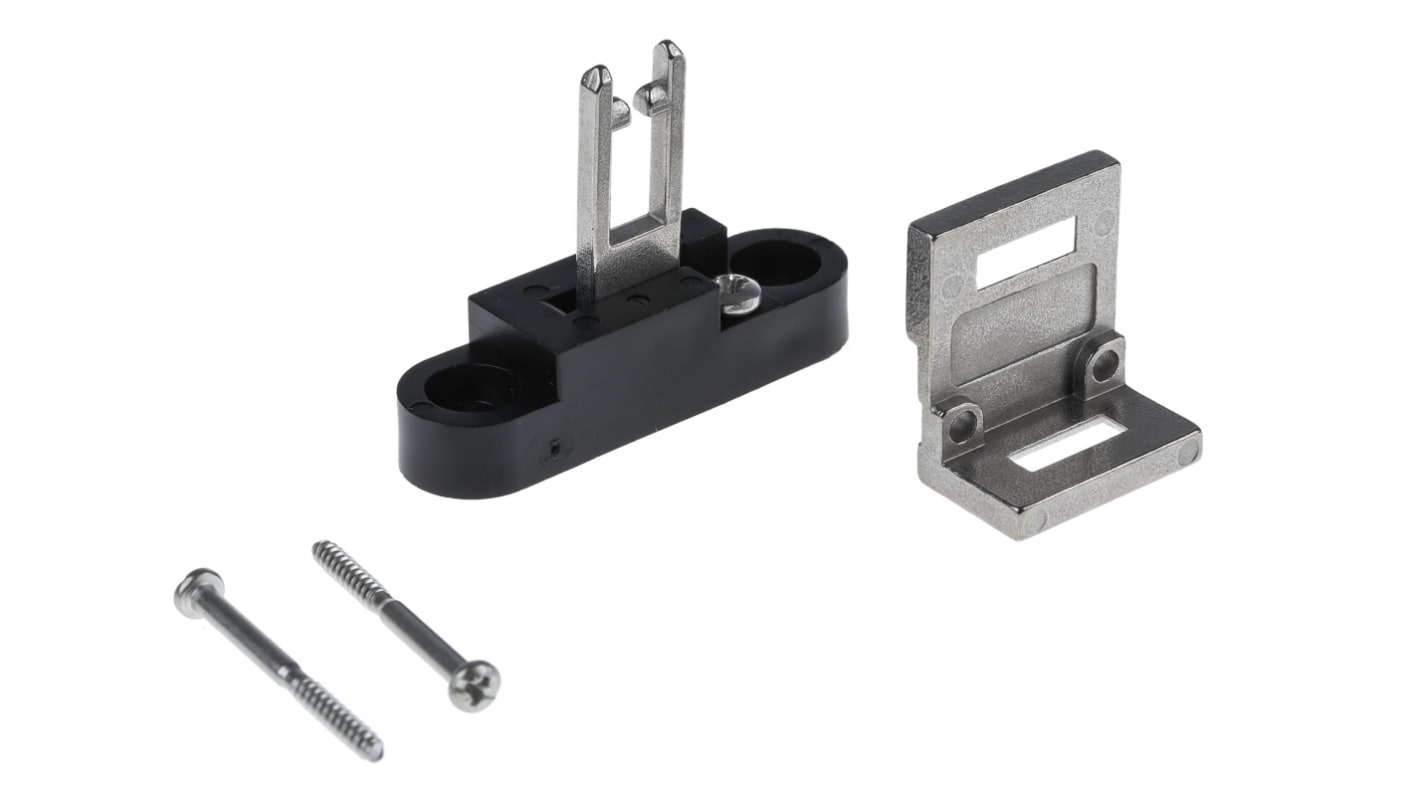
Siłownik Półelastyczny 440K-A21030, Allen Bradley Guardmaster Stal nierdzewna
- Nr art. RS:
- 357-9341
- Nr części producenta:
- 440K-A21030
- Producent:
- Allen Bradley Guardmaster

Suma częściowa (1 sztuka)*
164,97 zł
(bez VAT)
202,91 zł
(z VAT)
DARMOWA wysyłka dla zamówień o wartości powyżej 300,00 zł
W magazynie
- Liczba sztuk gotowa do wysyłki: 9
- Dodatkowe 61 szt. do wysyłki z innej lokalizacji
Potrzebujesz więcej? Wprowadź ilość, kliknij „Sprawdź daty dostawy” dla szczegółów dostawy.
Produkty | Za jednostkę |
|---|---|
| 1 + | 164,97 zł |
*cena orientacyjna
- Nr art. RS:
- 357-9341
- Nr części producenta:
- 440K-A21030
- Producent:
- Allen Bradley Guardmaster
Dane techniczne
Dane techniczne
Atesty i certyfikaty
Szczegółowe dane produktu
Znajdź produkty o zbliżonych parametrach, wybierając jeden lub więcej atrybutów.
Zaznacz wszystkie | Atrybut | Wartość |
|---|---|---|
| Marka | Allen Bradley Guardmaster | |
| Typ akcesorium | Siłownik | |
| Do użytku z | Wyłącznik bezpieczeństwa 440K | |
| Materiał | Stal nierdzewna | |
| Zaznacz wszystkie | ||
|---|---|---|
Marka Allen Bradley Guardmaster | ||
Typ akcesorium Siłownik | ||
Do użytku z Wyłącznik bezpieczeństwa 440K | ||
Materiał Stal nierdzewna | ||
Zwolniony
- Kraj pochodzenia:
- GB
Allen Bradley Guardmaster 440K-A21030 Semi-Flexible Actuator and Metal Alignment Guide
Ensure that your guard-locking system is complete with the 440K-A21030 Semi-Flexible Actuator and Alignment Guide by Allen Bradley Guardmaster.
The 440K-A21030 is a Semi-Flexible Actuator and Metal Alignment Guide which is designed for use with the Elf and Cadet 3 GD2 Safety Interlock Switches. This actuator is made of tough stainless-steel to ensure high reliability and durability. The alignment guide allows the switch and actuator to be applied in more demanding applications.
Semi-Flexible actuators can be used in operations where the actuator enters the switch at an angle and are suitable for use with tight angles. The angle can be adjusted on the actuator. Semi-Flexible actuators move in a single plan direction only. The Semi-Flexible key also allows the safety switch to be used on smaller radii doors.
This specially profiled actuator should be permanently fixed to the safety guard. It can then be inserted into the safety interlock switch to achieve secure guard-locking for your machinery. The Elf and Cadet 3 safety switches provide superior protection for personnel and equipment by ensuring safe-access in dangerous areas.
Charakterystyka i zalety:
• Made of durable stainless-steel
• Semi Flexible Actuator – ideal for tight angles
• Can be used in demanding applications due to metal alignment guide
• Perfect for smaller radii guards
• Semi Flexible Actuator – ideal for tight angles
• Can be used in demanding applications due to metal alignment guide
• Perfect for smaller radii guards
Certifications:
EN954-1
ISO13849-1
IEC/EN60204-1
NFPA79
EN1088
ISO14119
IEC/ EN60947-5-1
ANSI B11.19
AS4024.1.
DIN 50047
Certyfikat CE
CULus
TUV
CCC
ISO13849-1
IEC/EN60204-1
NFPA79
EN1088
ISO14119
IEC/ EN60947-5-1
ANSI B11.19
AS4024.1.
DIN 50047
Certyfikat CE
CULus
TUV
CCC
Zastosowania:
Przesuwny
Z zawiasami
Lift-off guards
Z zawiasami
Lift-off guards
What are Safety Interlock Switches?
Safety Interlock Switches are locking devices which can be used to monitor the position of a machine guard door and turn off the power supply when the safety barrier is released. They can also be used to keep a guard securely locked when machinery is running. This helps to prevent personnel from accessing a hazardous area where machinery may be in motion and minimises risk of injury or equipment damage. Interlock switches are often used for industrial applications.
What is a Safety Interlock Actuator?
The actuator is a separate component which is usually inserted into the switch to enable the locking mechanism to work. It forms a key part of the overall safety interlock unit. Different types include: 90º, Flat, Standard, Semi-Flexible, Fully Flexible, and Specialty.
Rockwell Automation is a global leader in industrial automation and digital transformation, and brings smart manufacturing to life. With a long legacy of creating Allen-Bradley® integrated control and information solutions, we help make you as productive as possible. Our portfolio of sensing, safety and motor control products can support your move towards smart machine applications. Allen-Bradley® IO-Link sensors are data-enabled and communicate with all field buses, providing diagnostic and health information about the device before a machine stops, and enabling quick production changeovers through fast parameter downloads from PLCs into the device. This reduces machine downtime and increases manufacturing OEE. For safety components, products with built-in diagnostics simplify the set-up of the smart device, and reduce maintenance, leading to a more efficient, machine data-driven approach.
.
Powiązane linki
- Siłownik Półelastyczny 440K-A11144, Allen Bradley Guardmaster Stal nierdzewna
- Siłownik Płaskie 440K-A11112, Allen Bradley Guardmaster Stal nierdzewna 36mm
- W pełni elastyczny siłownik Pełna elastyczność 440K-A27010, Allen Bradley Guardmaster Stainless Steel
- Siłownik Standardowy 440K-A11238, Allen Bradley Guardmaster Stainless Steel 52mm
- Trzymacz 440K-A11094, Allen Bradley Guardmaster 52mm
- Siłownik Elastyczny 440G-A07269, Allen Bradley Guardmaster
- Siłownik Elastyczny 440G-A27143, Allen Bradley Guardmaster Stal nierdzewna 51mm
- Siłownik Standardowy 440G-A27011, Allen Bradley Guardmaster Stal nierdzewna 52mm